

7 Things Every Style-Conscious Traveler Needs Before Exploring Egypt and Asia in 2026
TLDR: Traveling through Egypt and Asia in 2026 requires more than just a packed suitcase. From instant mobile connectivity via eSIM to packing outfits that work from Cairo souks to Bali rice fields, this guide covers 7 practical things every style-conscious traveler and digital nomad needs before departure. Real tips, real destinations, and real tools that make the journey smoother.
There is a certain type of traveler emerging in 2026. They care about how they look in destination photos. They want their feed to reflect the beauty of the places they visit. They work remotely, move frequently, and need both reliable connectivity and a wardrobe that transitions effortlessly from historical sites to rooftop dinners. If that sounds like you, this guide was written with your exact travel style in mind.
Before anything else lands in your bag, connectivity has to come first. Getting an eSIM Egypt plan through Mobimatter before flying into Cairo means you arrive with a working local data plan already active on your phone. Egypt has improved its mobile infrastructure significantly, with solid 4G coverage across Cairo, Luxor, Aswan, Alexandria, and the Red Sea resort towns of Hurghada and Sharm El Sheikh. For travelers navigating busy streets, booking last-minute tours, or posting content in real time, having data from the moment you land removes a major friction point from the trip.
Why Style and Connectivity Are Both Non-Negotiable for Modern Travelers
The idea that practical travel and aesthetic travel are separate things is outdated. In 2026, the travelers who get the most out of their trips, and who build the most engaged followings if they create content, are the ones who have sorted both sides of the equation.
Connectivity handles the logistics. eSIM handles the connectivity. And your wardrobe, accessories, and personal style handle how you show up in every photo, video, and in-person moment along the way. Getting both right before you leave is far easier than scrambling to fix either once you are already on the ground in a new country.
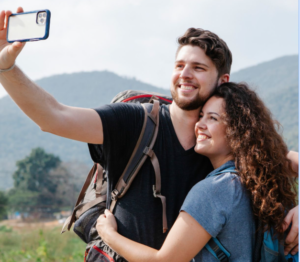
7 Things Every Style-Conscious Traveler Needs Before Exploring Egypt and Asia
1. An eSIM Plan Activated Before You Land
Skip the SIM shop queue. Arrive connected and ready to navigate from minute one.
This is the single most practical item on this list. Buying a local SIM card at an airport or in a foreign city means dealing with language barriers, waiting in queues, and sometimes providing documentation you might not have handy. An eSIM purchased in advance through Mobimatter is activated via QR code in under five minutes from anywhere.
For travelers moving across multiple Asian countries in one trip, an eSIM Asia regional plan from Mobimatter covers destinations including Thailand, Japan, Indonesia, South Korea, Vietnam, Malaysia, and more under a single data allowance. This is significantly more practical than buying individual country SIMs at each border and ensures you stay connected throughout a multi-stop Asian itinerary without gaps.
Steps to set up before your trip:
- Go to Mobimatter and select your destination or region
- Browse plans by data size and validity period
- Complete the purchase and receive a QR code by email
- In your phone settings, navigate to mobile or cellular and select add eSIM
- Scan the QR code and save the profile
- Activate it when you land or once you connect to Wi-Fi at the airport
2. A Capsule Wardrobe Built for Heat, Temples, and Evening Dinners
The best travel wardrobes work across three contexts: cultural sites, outdoor exploration, and evening dining.
Egypt and most of Asia require modesty at religious and historical sites. That means covered shoulders and knees for temple visits, mosque entries, and ancient ruins. At the same time, many destinations across Asia are hot and humid, which means breathable, lightweight fabrics are essential.
The solution is a capsule wardrobe built around neutral base pieces that layer and mix easily. Linen trousers, midi skirts, breathable cotton tops, and one versatile wrap or scarf that doubles as a cover-up handle most scenarios. Adding a few statement accessories like earrings, a woven bag, or a printed scarf gives the outfits personality without adding weight to your luggage.
3. A Go-To Style Source for Affordable Travel-Ready Outfits
Finding pieces that are cute, comfortable, and culturally appropriate is easier when you know where to shop.
One brand that has built a loyal following among style-conscious women travelers is Freckled Poppy Boutique. Known for affordable, trend-forward pieces that transition well between casual daywear and dressed-up evening looks, the boutique has become a popular source for travel outfit inspiration. Their Instagram at freckled poppy regularly features real women in real outfits, which makes it much easier to visualize how pieces will actually look in travel settings rather than just on a model in a studio.
For travelers heading to Egypt or Asia who want to pack outfits that photograph well without sacrificing comfort, browsing their feed before a trip is genuinely useful for planning a cohesive wardrobe.
4. A Portable Power Bank and International Adapter
Dead batteries and wrong voltage outlets can derail a full day of plans.
Across Egypt and Asia, outlet types and voltage standards vary significantly. Egypt uses Type C and F plugs at 220V. Countries across Asia use a range of plug types, with Thailand using Type A, B, and C, Japan using Type A at 100V, and Indonesia using Type C and F at 230V.
A universal travel adapter with multiple socket types handles all of these. Pair it with a high-capacity power bank of at least 20,000mAh if you are a heavy phone user who relies on navigation, photography, and mobile data throughout the day. These two items together mean you are never stranded with a dead device in the middle of a busy market or on a long bus ride between cities.
5. Offline Maps and Key Apps Downloaded in Advance
Good mobile data helps, but offline backups are essential in remote areas.
Even with an eSIM providing reliable connectivity in major cities, some areas across Egypt and Asia have weak or no signal. Desert regions in Egypt, rice paddies in Bali, mountain trails in Northern Thailand, and rural areas across Vietnam all have coverage gaps.
Downloading offline maps through Google Maps or Maps.me before you head out each day costs nothing and saves significant stress. Also download your accommodation details, transportation bookings, and any visa or entry documents to your phone’s photo roll or a cloud storage app that works offline.
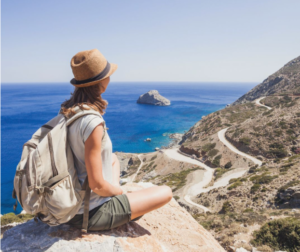
6. A Thoughtful Content Strategy for Destination Photography
Travelers who plan their shots in advance create better content with less time on location.
For nomads and creators who document their travels, having a rough shot list for each destination saves a lot of aimless wandering. Before arriving in Cairo, research the best light times at the Pyramids of Giza (early morning is best). Before Kyoto in Japan, look up which temple gardens are currently in season. Before Ubud in Bali, note which rice terrace viewpoints are accessible without a guide.
Good content does not require a professional camera. A modern smartphone with a good eSIM data connection for uploading, a decent editing app, and a clear visual style is all most travel creators need to produce consistently strong destination content.
7. Travel Insurance That Covers Gadgets and Medical Emergencies
No packing list is complete without coverage for the things that can go wrong.
Across Egypt and Asia, travel insurance that covers medical emergencies, trip cancellations, and gadget theft or damage is worth every cent. Medical costs in some countries can be extremely high for uninsured travelers, and gadget theft in busy tourist areas is a genuine risk.
Look for a policy that specifically covers your phone and laptop as these are your most valuable travel tools in 2026. Some policies also cover eSIM costs in case of device loss, which is a useful addition for heavy eSIM users.
Comparing eSIM Coverage for Key Egypt and Asia Destinations
| Destination | Coverage Quality | Recommended Plan Length | Mobimatter Available |
| Egypt (Cairo, Luxor) | Good in cities and resorts | 7 to 15 days | Yes |
| Thailand (Bangkok, Chiang Mai) | Strong nationwide | 15 to 30 days | Yes |
| Japan (Tokyo, Kyoto, Osaka) | Exceptional nationwide | 7 to 15 days | Yes |
| Indonesia (Bali, Java) | Good in tourist areas | 10 to 30 days | Yes |
| Vietnam (Hanoi, Ho Chi Minh City) | Strong in cities | 10 to 15 days | Yes |
| South Korea (Seoul, Busan) | Excellent nationwide | 7 to 14 days | Yes |
| Malaysia (Kuala Lumpur, Penang) | Strong in cities | 10 to 30 days | Yes |
Final Thoughts on Traveling Smart and Stylish in 2026
Combining practical preparation with personal style is what separates a frustrating trip from a genuinely memorable one. Getting your connectivity sorted through Mobimatter, packing a wardrobe that works across cultural and climate contexts, and having the right tools on your phone before departure covers most of the common friction points travelers face.
The destinations covered in this guide, from Egypt’s ancient sites to Asia’s diverse landscapes, reward travelers who arrive prepared. Whether you are photographing the temples of Angkor Wat in Cambodia, exploring the street food scenes of Bangkok and Hanoi, or standing in front of the Pyramids at sunrise, having your phone connected, your outfit sorted, and your camera app ready means you can focus entirely on the experience rather than troubleshooting logistics.
For more style inspiration tailored to travel, following accounts like freckled poppy on Instagram gives you a steady stream of real-outfit ideas that work across the casual-to-dressed-up spectrum every traveler needs to cover.
FAQs
Does eSIM work in Egypt for travelers?
Yes. Egypt has solid 4G coverage in major cities and tourist destinations including Cairo, Luxor, Aswan, and Red Sea resort towns. Mobimatter offers Egypt-specific eSIM plans that activate before you land, giving you a working data connection from arrival.
What is the best eSIM option for traveling across multiple Asian countries?
A regional Asia eSIM plan from Mobimatter is the most practical option. It covers multiple countries under one data allowance, removing the need to purchase individual country SIMs at each destination. Coverage includes Thailand, Japan, Indonesia, Vietnam, South Korea, and more.
What should I wear when visiting temples in Egypt and Asia?
Both Egypt and most Asian countries require covered shoulders and knees at religious sites. Lightweight linen trousers, midi skirts, and loose cotton tops are practical and culturally appropriate. Carrying a wrap or scarf adds flexibility for unexpected site visits.
Is Freckled Poppy Boutique suitable for travel fashion inspiration?
Yes. Their Instagram feed features affordable, versatile pieces styled on real women in everyday settings. For travelers looking for outfit ideas that balance style with practicality, their content is a useful reference before packing.
How much data does a content-creating traveler need per month?
Travel content creators who upload photos and short videos daily, use navigation apps constantly, and occasionally work on video editing or client calls typically need between 15GB and 30GB per month. Mobimatter offers plans across this range for most destinations.
Can I hold multiple eSIM profiles on one phone for a multi-country trip?
Yes. Most modern smartphones support multiple eSIM profiles stored simultaneously. You activate whichever plan corresponds to your current country and switch as you move. Mobimatter makes it easy to purchase and manage plans for each destination in advance.
Is travel insurance worth it for Egypt and Asia trips?
Absolutely. Medical costs in some Asian countries can be high for uninsured travelers, and gadget theft is a risk in busy tourist areas. A comprehensive policy that covers medical emergencies, trip disruption, and electronics is a practical investment for any trip to these regions.