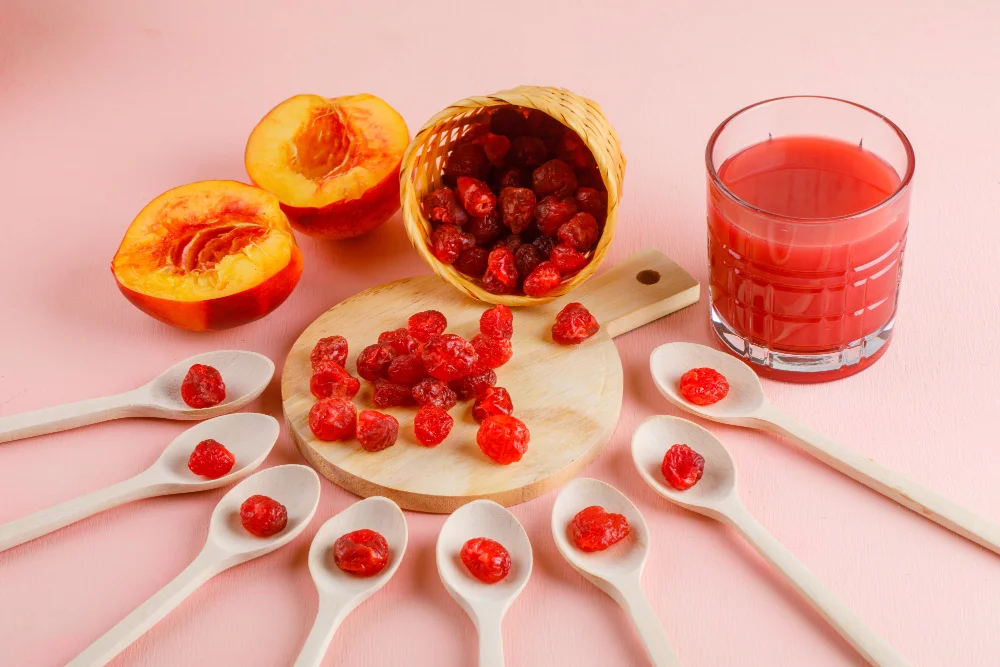

In the vibrant world of culinary arts, jelly recipes hold a special place for their versatility and delightful flavors. Whether you’re a seasoned chef or a home cook exploring new skills, jelly offers a canvas rich with possibilities. Welcome to our comprehensive guide inspired by www.recipesjelly.com — your ultimate resource for mastering the art of jelly-making. From classic fruit preserves to innovative vegan and low-sugar options, this guide covers everything you need to know to create delicious jellies at home.
Introduction to Jelly Recipes
What is Jelly?
Jelly is a clear, firm, yet tender spread made from fruit juice, sugar, and a gelling agent like pectin or gelatin. Unlike jam, which includes fruit pulp, jelly provides a smooth texture that pairs perfectly with breads, desserts, and even savory dishes.
See also Toastul: Easy Ways to Impress Guests with Gourmet Toast
Historical Background
Jelly has been cherished across cultures for centuries. Originating from the need to preserve fruits, jelly’s sweet, glossy allure has evolved from simple home-made spreads to sophisticated culinary creations. From its roots in ancient preservation techniques to today’s health-conscious adaptations, jelly continues to captivate our taste buds.
Types of Jelly
Fruit-Based Jelly
Fruit jelly is the most common and beloved form of this sweet spread. Classic options include:
- Strawberry Jelly: Made with fresh strawberries and a hint of lemon juice for zest.
- Grape Jelly: A traditional favorite, perfect for PB&J sandwiches.
- Apple Jelly: Utilizes the natural pectin found in apples, often spiced with cinnamon.
Savory Jelly Variations
For the adventurous palate, savory jellies offer a unique twist:
- Pepper Jelly: Combines the heat of peppers with the sweetness of sugar, ideal as a glaze or appetizer.
- Herb Jelly: Infused with herbs like mint or basil, adding elegance to meats and cheeses.
Step-by-Step Jelly Making Guide
Essential Equipment and Ingredients
Before diving into jelly-making, ensure you have the following:
Equipment:
- Heavy-bottomed pot
- Jelly thermometer
- Cheesecloth or jelly bag
- Sterilized jars and lids
Ingredients:
- Fresh fruit juice
- Pectin or gelatin
- Sugar (or sugar alternatives for low-sugar recipes)
- Acidic component (e.g., lemon juice) to enhance gelling
Directions for Making Basic Jelly
- Prepare the Juice: Extract juice from fruits using a juice extractor or by simmering fruits and straining.
- Combine Ingredients: In a pot, mix fruit juice and pectin. Bring to a boil, then add sugar while stirring.
- Boil and Test for Gel Stage: Use a thermometer to ensure the mixture reaches 220°F. Perform a spoon or plate test for consistency.
- Jar and Process: Pour hot jelly into sterilized jars, leaving space at the top. Seal and process in a water bath for preservation.
Tips for Perfect Jelly
Troubleshooting Common Problems
- Jelly Not Setting: Ensure adequate boiling time and correct pectin usage. Reboil with additional pectin if necessary.
- Cloudy Jelly: Strain juice thoroughly and avoid squeezing the jelly bag, which can introduce pulp.
Maintaining Consistency and Flavor
- Flavor Enhancements: Add vanilla, cinnamon, or citrus zest for depth.
- Consistency Adjustments: Alter sugar levels or experiment with different gelling agents like agar-agar for a vegan option.
Health Benefits and Nutritional Information
Homemade jelly can be a healthier alternative to store-bought varieties, which often contain high-fructose corn syrup and preservatives. By controlling sugar content and using fresh ingredients, you can create nutrient-rich spreads. Low-sugar and no-sugar jelly recipes cater to dietary needs, providing a guilt-free indulgence.
Frequently Asked Questions
- How do you thicken jelly without pectin?
Jelly can be thickened by boiling longer to reduce liquid, or using natural sources of pectin like apples or chia seeds. - Can jelly be made with artificial sweeteners?
Yes, artificial sweeteners like erythritol or stevia can replace sugar, though adjustments in gelling agents may be needed. - What fruits are best for making jelly?
Fruits high in natural pectin, such as apples, grapes, and berries, are ideal for jelly-making. - How long does homemade jelly last?
If properly sealed and stored in a cool, dark place, homemade jelly can last up to a year. Once opened, it should be refrigerated and consumed within a month. - How can I make jelly without using a water bath?
While a water bath ensures longer shelf life, jelly can be stored in the fridge if consumed within a few weeks. - What are some unique jelly flavors to try?
Experiment with flavors like lavender, hibiscus, or chili for a creative twist. - Is it possible to make jelly without sugar?
Yes, use sugar substitutes or rely on natural sweetness from ripe fruits. Adjust gelling agents accordingly.
Conclusion
Whether you’re drawn to the timeless allure of classic fruit jellies or the creative possibilities of modern variations, jelly-making is a rewarding culinary endeavor. With the insights and techniques shared here, inspired by www.recipesjelly.com, you’re equipped to bring delicious, homemade jelly to your table. Explore the world of jelly today and delight in the sweet satisfaction of crafting your own culinary masterpieces. Visit our website for more recipes and tips!
By incorporating these expert techniques and recipes into your kitchen repertoire, you’ll elevate your jelly-making skills and enjoy the sweet rewards of your creativity. Happy cooking!